
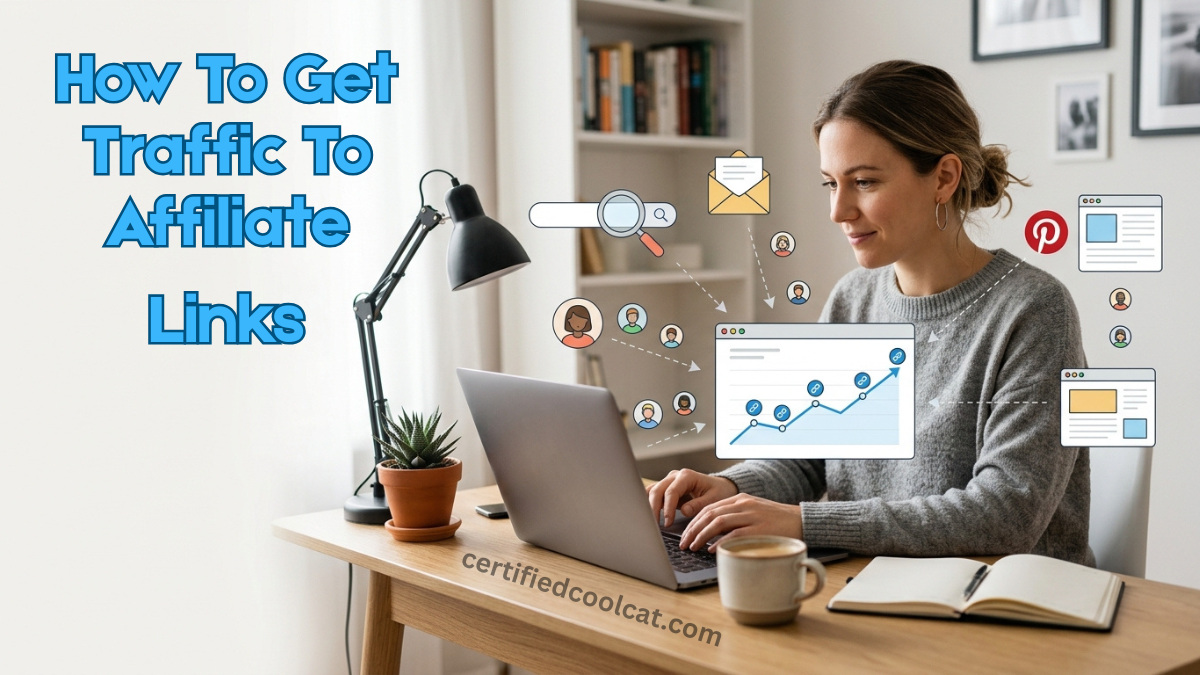
If you’re working with affiliate marketing, finding smart ways to drive traffic to your affiliate links can make a big difference in your results. Whether you want to grow a side hustle or build a full-time business, there are lots of practical strategies to bring in visitors and boost your chances of conversions.
I want to show you how to get traffic to affiliate links using my favorite approaches, from quick wins to more advanced tactics, to help you get more eyes on your affiliate content.
Why Getting Traffic to Affiliate Links Matters
Affiliate marketing is all about connecting the right audience with products or services they actually find useful. No matter how good your affiliate offer is, you won’t see results if no one clicks on your links. Quality traffic isn’t just about the numbers. It’s about getting people who are genuinely interested in the niche you’re promoting. With ecommerce and online business booming (the affiliate marketing industry is expected to hit over $15 billion globally), competition is high. A solid traffic plan gives you the edge.
Over time, affiliate programs have opened up new ways for creators, bloggers, and average folks to make money online. Most affiliate networks, whether focused on tech gadgets, beauty products, software, or everyday items, reward those who figure out how to reach an audience that’s ready to take action. Consistent, relevant traffic is basically the foundation of a successful affiliate business. If you want to see results, you need eyes on your content, and ideally, those eyes are from people who are primed to convert.
Getting Started: Laying the Groundwork for Affiliate Traffic
It’s tempting to jump straight into sharing your links everywhere, but a little groundwork pays off. The first thing I focus on is building a home base, usually a blog or a website. This gives you a place to build trust and showcase products naturally. At the same time, knowing your target audience and what they care about shapes your entire strategy. Here are a few key basics to think about:
- Choose a Clear Niche: Sticking to a specific niche, like fitness trackers or ecofriendly kitchen gear, helps you speak directly to interested readers and become known for something special.
- Build a Platform: Most folks start with a blog, YouTube channel, or a strong social media presence. You need a place for your content to live and grow.
- Understand Your Audience: Spend some time watching where your potential readers hang out—forums, search engines, TikTok, Facebook groups. Their habits help you decide where to focus your effort.
It also pays off to make an editorial calendar, so you don’t get stuck for ideas. Content planning sets the stage for consistent output and lets you measure what types of posts bring the most traffic over time. You might use spreadsheets or tools like Trello or Notion to keep track of ideas and deadlines.
Step-by-Step Guide to Driving Traffic to Affiliate Links
Your affiliate links need people to see them, and that comes from being consistent and creative with your approach. I use a mix of methods to start bringing in visitors. Here’s how I usually go about it:
- Create High-Value Content: Write honest reviews, helpful guides, and comparison posts. People who are researching products are already partway down the buying adventure.
- Use SEO to Get Found on Google: Focus on keywords related to your niche, optimize meta tags, add relevant images, and answer user questions. This helps your pages show up in search results. Over time, your content can keep working for you long after it’s published.
- Share on Social Media: Post on platforms that fit your topic: Instagram for beauty or lifestyle, Twitter for tech, Pinterest for recipes and tutorials. Link back to your content where your affiliate links live.
- Build an Email List: Offer a freebie (like a PDF guide) in exchange for emails. Send regular updates and helpful recommendations, always being transparent about affiliate relationships. Consider using email automation to keep your audience warm.
- Put Video Content to Work: YouTube is popular for reviews, unboxings, and how-to’s. Embed affiliate links in the description and make sure you follow community guidelines. Short-form content like TikTok videos or Instagram Reels can provide quick wins too.
Starting with these steps will help you get traction more quickly and lay the foundation for ongoing, steady traffic to your affiliate links.
Common Obstacles and How to Tackle Them
Affiliate marketing comes with a few common roadblocks that can trip you up. Here are challenges I’ve faced and what helps keep momentum going:
- Low Traffic Volumes: Early on, it’s normal to have only a trickle of visitors. Keep your content schedule consistent and don’t be afraid to promote older posts. Try updating titles and descriptions, or reposting on social to give older content a second chance.
- Audience Distrust: Readers might be wary of affiliate links. Build trust by being transparent, recommending only what you truly like, and disclosing relationships as required by law. Share personal stories and actual experiences with products to give your audience inside info that matters.
- Saturated Markets: Some niches are packed with competition. Focus on more specific (“longtail”) topics, like “best protein powders for women over 50” instead of just “protein powder.” Look for underserved subtopics that competitors have overlooked.
- Platform Limitations: Some platforms restrict direct affiliate links. Use blog posts or landing pages as a go-between instead of dropping raw links everywhere. Make use of link-in-bio tools or custom redirects if you’re on Instagram or TikTok.
Building Trust with Your Audience
People are getting smarter about affiliate marketing. Being upfront about your relationships is the way to go. I always add a quick note at the top of my articles or videos letting readers know I might earn a commission if they buy through my links. This honesty helps build a loyal community and increases the chances of repeat visits. If you want to stick around in affiliate marketing for the long term, transparency is key.
Overcoming SEO and Algorithm Challenges
Google updates and social media algorithms can impact your reach overnight. Mix in several traffic sources, update your main pieces of content when trends switch up, and don’t put all your eggs in one basket. Setting up traffic from search, email, and at least one social platform is usually a safe bet. If one traffic source tanks, you won’t be starting from scratch.
Next-Level Strategies: Boosting Your Affiliate Link Traffic
Once you find your feet, you can start looking at ways to scale up. I’ve found these advanced methods super useful:
Make Use of Paid Ads: Platforms like Google Ads and Facebook Ads offer ways to target the right audience quickly. Make sure your campaigns comply with affiliate network rules and keep track of ROI so you don’t overspend. Start small, and increase your budget as you figure out what’s working.
Partner with Influencers: Reach out to microinfluencers in your niche for shoutouts, mentions, or guest posts. A well-placed mention from a trusted creator can bring bursts of quality traffic. Influencers with smaller but highly engaged audiences often provide better results than bigger accounts.
Repurpose Content: Turn blog posts into infographics for Pinterest, videos for YouTube, or slides for LinkedIn. Expanding your content format can help reach new audiences and bring more eyes to your links. You can also turn reviews into podcasts or email mini-courses.
Join Online Communities: Be active in niche forums, subreddits, or Facebook groups, not just dropping links, but genuinely helping folks. Over time, people check out your profile or site, bringing interested traffic. Offer tips, answer questions, and participate in discussions to build your reputation naturally.
These next-level strategies can take your affiliate marketing results up a notch. Don’t rush—focus on building one at a time and watch your results grow.
Key Traffic Sources for Affiliate Links
I’ve found that some traffic sources tend to perform better, depending on the niche and target audience. Here’s a quick look at some of the top options, along with tips on how to use them:
- Organic Search (SEO): Evergreen articles and helpful reviews bring regular traffic if you target the right keywords. Tools like Ubersuggest, Semrush, and Google Search Console are pretty handy for tracking progress.
- Social Media: Instagram, Twitter, Facebook, and Pinterest all work with different audiences. Focus on where your potential customers already spend their time. Track post performance using each platform’s built-in analytics.
- YouTube: Product demos, tutorials, and list videos can drive both immediate and long-term clicks via video descriptions. Add relevant keywords to your titles and use engaging thumbnails to get more clicks.
- Email Marketing: A wellnurtured list can be an ongoing traffic source for new content and offers. Segment your audience for better results. Share personal stories or case studies in your emails to keep things fresh and relatable.
- Forums and Q&A Sites: Answering questions on Quora or Reddit (in line with their rules) builds authority and brings relevant traffic to your content. When you’re helpful without being salesy, people are more likely to click your links.
Examples of Where Affiliate Links Fit Naturally
- Product Reviews: Share honest feedback, along with pros and cons, giving people the info they need before making a purchase.
- How-To Guides: Recommend affiliate products as solutions to common problems or as part of stepbystep instructions. Walk readers through each step and mention why you recommend certain products.
- Resource Pages: Build a helpful list of tools or gear related to your niche, linking to your top affiliate picks. Arrange these lists by category so it’s easy for visitors to browse.
- Email Recommendations: Suggest products that match the content you’re sharing with subscribers. Offer tips on getting the most value out of each recommended product.
Bonus tip: You can add affiliate links to comparison tables or side-by-side lists so readers quickly compare multiple products. This makes it easier for them to make smart choices.
FAQs: Answers to Affiliate Link Traffic Questions
People new to affiliate marketing usually have plenty of questions. Here are a few that come up a lot:
Question: How long does it take to see results from affiliate marketing?
Answer: Some folks see their first clicks or sales in a few days, but it usually takes at least a few months of consistent effort. This is especially true with SEO or content marketing approaches. Stay patient and keep trying new posts and promo ideas.
Question: Can I put affiliate links directly on social media?
Answer: It depends on the platform and affiliate program rules. Instagram Stories, YouTube descriptions, and Pinterest often allow affiliate links, but always check current policies and use proper disclosure. When in doubt, link to blog posts or landing pages containing your affiliate links.
Question: What’s more important: quantity or quality of traffic?
Answer: Quality matters more. It’s better to have 100 people who are actively interested in your topic than 1,000 random visitors who aren’t likely to convert. Focus on building a community of readers who trust your recommendations.
Question: How can I keep traffic consistent?
Answer: Posting regular content, updating old posts, and using a mix of traffic sources keeps your site from relying too much on any one stream. Mix evergreen and trending topics to cover all your bases.
Final Tips for Growing Affiliate Link Traffic
Putting all these traffic ideas into practice takes effort, but it’s totally doable. Consistency, genuine recommendations, and a bit of patience go a long way. The affiliate marketers who stick with it build skills that keep paying off, even when algorithms change or platforms move the goalposts. Focusing on building real value and trust with your audience is super important for growth and earning potential. Experiment, track what’s working, and keep fine-tuning to see your affiliate link clicks grow over time.
Get started by picking one or two traffic tactics that fit your style and audience best, then layer on new methods as you get more comfortable. That combo of enthusiasm and strategy is what keeps affiliate marketing fresh and fun. Keep learning, stay curious, and enjoy the adventure!